How to Store and Freeze Cake the Right Way
People ask us about this more than almost anything else. You've baked a cake (or bought one), it's beautiful, and now you need to keep it fresh for three days. Or freeze half of it for next month. Or transport it across Cheshire for a birthday party without it turning into a crumby disaster. This guide covers all of it, from a bakery that has stored more cakes than we can count.
Room-temperature storage: what keeps and for how long
Most cakes are best kept at room temperature (around 18-20 degrees) in a sealed container or under a cake dome. The fridge is actually the worst place for most cakes, which we'll get to in a moment.
- Sponge cakes (Victoria, lemon drizzle, coffee and walnut): 3-4 days at room temperature in an airtight container. The buttercream filling helps keep moisture in. After day 4, the sponge starts drying out noticeably.
- Fruit cakes (Christmas cake, Dundee, rich wedding cake): Weeks to months, wrapped tightly in cling film and then foil. Fruit cakes actually improve with age as the alcohol redistributes. A well-made, well-wrapped fruit cake will keep for 3 months at room temperature and up to a year in a cool cupboard.
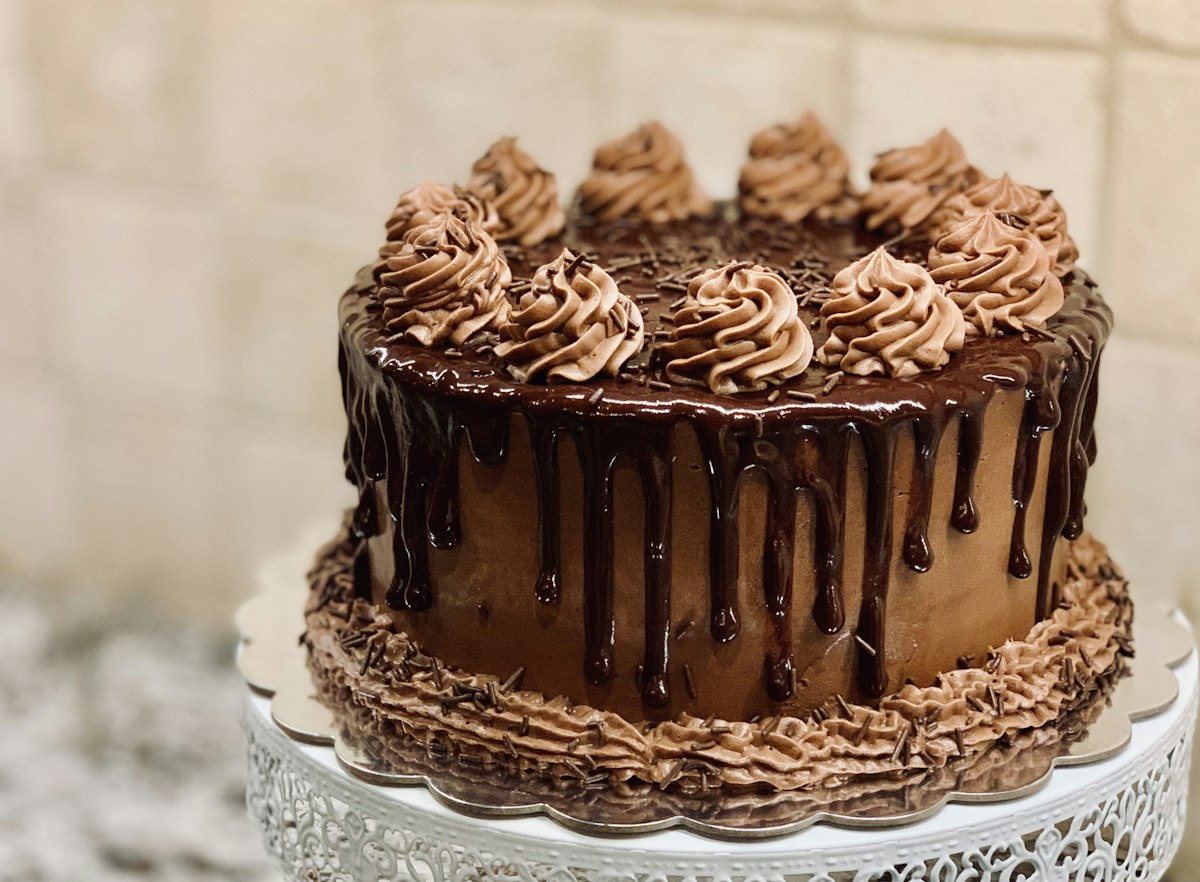
- Chocolate cakes: 3-5 days at room temperature. Chocolate ganache acts as a sealant and keeps the sponge moist longer than buttercream does. Dark chocolate cakes keep slightly longer than milk chocolate ones.
- Carrot cake: 2-3 days at room temperature. The cream cheese frosting pushes this toward the fridge after day 2, particularly in warm weather.
- Cheesecake: Always refrigerated. 4-5 days in the fridge, well covered.
- Naked cakes (unfrosted or lightly dressed): 1-2 days. Without frosting as a barrier, the sponge dries out quickly. Eat these fresh.
Why the fridge is usually wrong
Putting a sponge cake in the fridge makes it go stale faster. This sounds counterintuitive, but it's simple food science: refrigeration accelerates starch retrogradation, which is the process that makes bread and cake go hard and dry. A sponge cake in the fridge will be noticeably drier after 24 hours than the same cake left on the worktop in a sealed container.
The exceptions are cakes with dairy-heavy fillings or frostings (fresh cream, cream cheese, custard, mascarpone) that need refrigeration for food safety. In those cases, bring the cake back to room temperature for 30-60 minutes before serving. Cold cake tastes flat; room-temperature cake tastes of itself.
Freezing: which cakes freeze well
Good news: most cakes freeze brilliantly. The trick is in the wrapping and the thawing, not the freezing itself.
Cakes that freeze well
- Sponge cakes (un-iced): The gold standard for freezing. Bake the sponge, let it cool completely, wrap tightly, and freeze. Thaw at room temperature and ice on the day. This is how professional bakers (including us) manage large orders.
- Chocolate cake: Freezes beautifully, both sponge and ganache.
- Carrot cake (un-iced): The moisture from the carrot and oil actually helps it survive freezing better than a lean sponge.
- Brownies: Freeze like a dream. Cut before freezing; thaw individually as needed.
- Fruit cake: Freezes well but hardly needs to, given its natural shelf life.
- Madeira cake and pound cake: Dense, buttery cakes freeze and thaw with almost no change in texture.
Cakes that don't freeze well
- Cakes with fresh cream filling: The cream separates and goes grainy on thawing. Freeze the sponge separately and add the cream after thawing.
- Meringue-based cakes: Meringue goes chewy and weeps moisture. Pavlovas, Eton mess cakes, and anything with a meringue layer should be eaten fresh.
- Fondant-covered cakes: Fondant sweats on thawing, becoming sticky and losing its smooth surface. If you must freeze a fondant cake, accept that it will need re-finishing.
- Mousse cakes: The mousse texture changes. Not inedible, but not the same.
How to wrap cake for the freezer
This is the step most people get wrong. A badly wrapped cake gets freezer burn, absorbs odours from whatever else is in the freezer, and dries out at the edges. Here is the method we use in the bakery:
- Cool completely. Warm cake in cling film creates condensation, which creates ice crystals, which create soggy cake on thawing. Let the cake cool on a wire rack until it's fully at room temperature.
- Wrap in cling film. Two layers, pulled tight. No gaps, no air pockets. The cling film is the moisture barrier.
- Wrap in foil. One layer of aluminium foil over the cling film. This adds a second barrier and protects against freezer burn.
- Label and date. Write what it is and when you froze it. You will not remember in six weeks.
- Place in a freezer bag or rigid container if the freezer is crowded, to protect the cake from being crushed.
Frozen cake keeps well for up to 3 months. After that, it's still safe but the texture starts to suffer.
How to thaw cake
The key rule: thaw slowly, at room temperature, still wrapped. Unwrapping too early lets moisture condense on the cold surface of the cake, making it soggy.
- Remove the cake from the freezer.
- Leave it in its wrapping on the worktop.
- A single sponge layer takes about 2-3 hours to thaw fully. A full assembled cake takes 4-6 hours.
- Once thawed, unwrap and inspect. The sponge should feel springy and smell fresh.
- Ice, fill, and decorate after thawing, not before freezing (unless the frosting is buttercream or ganache, which freeze well on the cake).
Never thaw cake in the microwave. The outside gets warm and wet while the inside stays frozen. Never thaw in the fridge, for the same starch-retrogradation reason mentioned above.

A baker's final advice
If you're baking for an event and want to spread the work, bake and freeze the sponges a week ahead. Make the buttercream or ganache the day before (it keeps in the fridge for a week). Assemble and decorate on the morning of. This is how we manage large celebration-cake orders at the bakery, and it means the cake your guests eat is fresh-finished even though the baking was done days earlier.
Questions about storing a specific cake, or placing an order for a celebration? Email us at [email protected].