How Much Cake Do I Need? A Portion Guide for Parties and Weddings
This is one of the questions we get most often, usually attached to some version of mild panic: "We've got 45 people coming, I've ordered a three-tier cake, is that enough?" The answer is usually yes — but it depends on a few things that are worth understanding before you order or bake.
Below is the practical guide we share with customers when they come to us with a guest list and a nervous expression. It's based on real experience of cutting cakes at weddings and parties across Cheshire, not back-of-envelope theory.
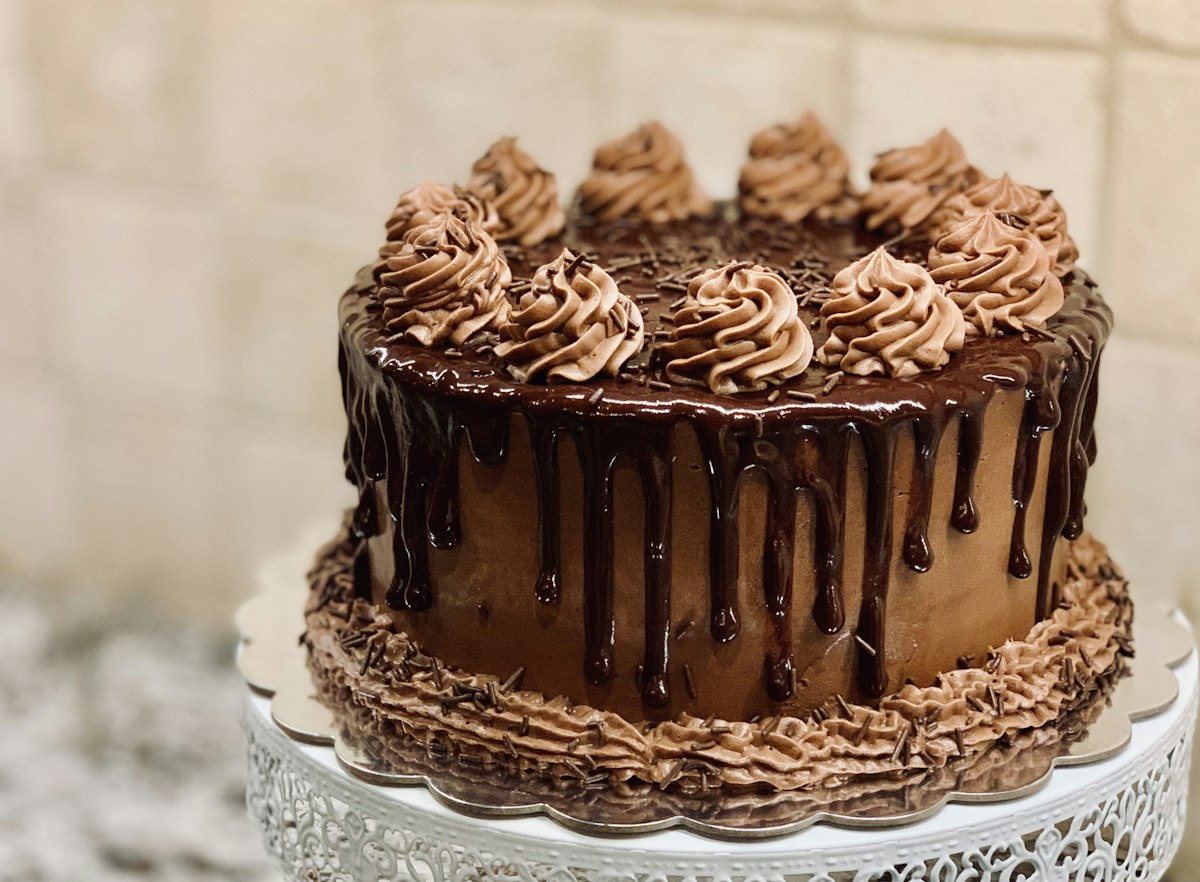
The standard dessert portion vs the party slice
There are two serving sizes you need to know about. They're quite different in practice:
- Dessert portion: Roughly 4cm x 5cm x the full height of the tier. This is what you'd get if the cake was the main pudding — a proper slice on a plate with a fork. It's the serving size almost all bakers use when they say "serves 60".
- Finger portion (party slice): Roughly 2.5cm x 5cm x the full height of the tier. The thinner slice you cut when the cake is one of several sweets, or when it's a wedding and guests have already had three courses. Also sometimes called a "coffee portion".
If someone tells you their 10-inch cake "serves 40", they probably mean 40 dessert portions. If the cake is one item on a dessert table with six other things, you can realistically serve 60 from the same cake using finger portions. Keep this distinction in mind for everything that follows.
Round cake servings by tin size
These figures are for a two-layer sponge cake (two sponge layers with one filling layer), cut into dessert portions:
- 6-inch round: 12–16 portions
- 7-inch round: 16–22 portions
- 8-inch round: 24–30 portions
- 9-inch round: 30–40 portions
- 10-inch round: 38–50 portions
- 12-inch round: 60–70 portions
Square cakes give you roughly 20–25% more portions per size than round cakes, because you lose the curved corner offcuts when cutting. An 8-inch square is closer to 32–38 portions; a 10-inch square around 50–60.
Standard tiered cake servings
When customers say "how many does a two-tier serve?", the answer depends on which two sizes are involved. These are the combinations we bake most often, and the realistic serving range:
- Two-tier: 6+8 inch — 36–46 dessert portions
- Two-tier: 8+10 inch — 62–80 dessert portions
- Three-tier: 6+8+10 inch — 74–96 dessert portions
- Three-tier: 6+9+12 inch — 108–130 dessert portions
- Four-tier: 6+8+10+12 inch — 132–170 dessert portions
These assume all tiers are cut and served. If the top tier is being saved (a common tradition at weddings, where couples save the top tier for a first anniversary), reduce by the top tier's serving count.
Wedding portions: the real numbers
Wedding cakes are where portion questions get most anxious, and where the gap between "serves X" and "will actually feed X" is biggest. A few things to plan around:
Not everyone eats cake
At most UK weddings, somewhere between 70% and 85% of guests eat the wedding cake. Some guests are full from the meal, some are diabetic, some are on a diet, some are just not interested. If your guest list is 120, ordering a cake that would theoretically serve 100 is usually fine. Ordering one that exactly serves 120 to the last slice risks running out.
Children eat smaller portions
If there are 20 children in the 120 guests, their portions will be smaller. This is not a problem — you'll find that a 90-portion cake comfortably feeds 120 guests when a meaningful fraction are children.
The dessert course vs. evening cake cutting
Most weddings cut the cake for photographs during the reception and serve it later in the evening (or as part of the dessert course). Evening guests who didn't attend the daytime will also want cake. If you're expecting evening guests beyond your main guest count, add them in.
Consider the dessert table
If the wedding has a sweet table with brownies, macarons, and other bakes alongside the cake, guests will spread their appetite. Finger portions are appropriate in this context and you can easily drop your calculation by 20–30%.
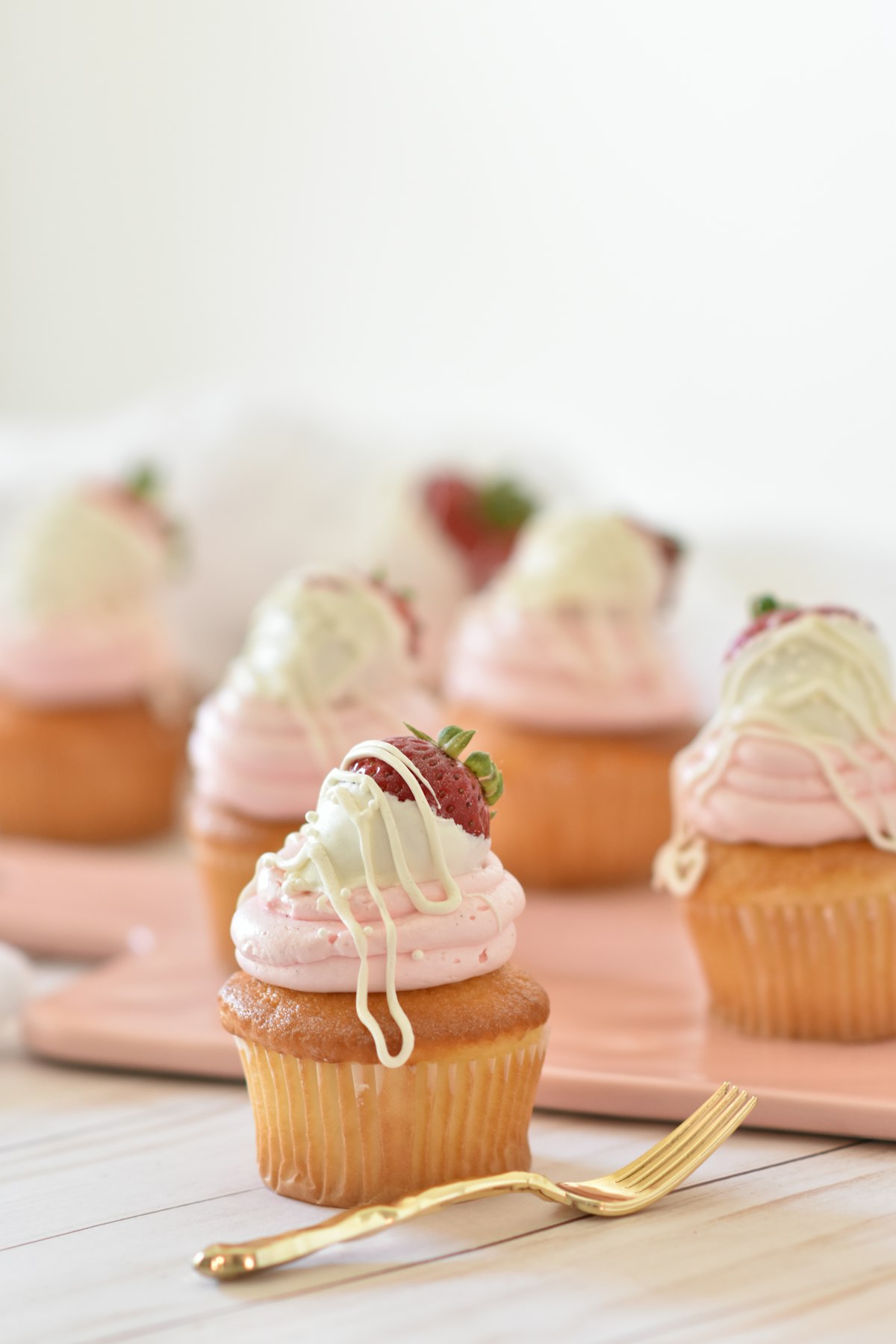
Children's parties and birthday cakes
Birthday cakes are where the portion confusion is most forgiving. A slice at a children's party is often a third of an adult dessert portion — children take a few bites, the rest ends up on the floor or in a napkin to take home. For children's parties, a good rule of thumb is one child's portion per 1.5 children (so a 24-portion cake for 36 children).
For adult birthday parties where the cake is the centrepiece pudding, use full dessert portions. For parties where cake is served alongside buffet food and other desserts, use finger portions and reduce your estimate by a quarter.
How to cut a round cake for maximum portions
The way you cut matters more than most people think. The classic "pie slice" method wastes a lot of cake and gives uneven portions. The professional method:
- Cut a circle 2cm in from the outer edge of the cake, all the way around (like tracing a smaller cake inside the larger one).
- Cut the outer ring into 2.5–4cm slices. These are your first batch of portions.
- Cut the inner circle with the same method — another concentric ring — until you reach the centre.
This is the standard bakery/caterer cutting method. It's not intuitive if you've only ever cut birthday cakes at home, but once you've done it once it becomes second nature. A 10-inch cake cut this way reliably gives you 50 portions; the same cake cut like a pie gives you 30 at best.
When in doubt, order up
A leftover cake is not a disaster. Leftover cake can be boxed, taken home by guests, and refrigerated or frozen. Running short of cake at a wedding is embarrassing and logistically awkward.
As a bakery, we always recommend erring slightly on the side of more. When customers are between sizes on a tiered order, we'll usually suggest the larger option. The difference in cost is rarely significant; the difference in experience is.
If you're ordering a celebration cake from us, we'll always confirm the serving count in writing at the quote stage. Questions about the right size for your event? Email us at [email protected]. We're happy to work through the numbers before you book.